
 by rehannmarine
 Introduction
Workplace safety is a top priority, especially in industries like construction, marine, manufacturing, and warehousing. However, one common issue many workers face is slipping—even while wearing safety shoes.
If you’re wondering why do safety shoes slip on wet surfaces, you’re not alone—this is one of the most common safety concerns in industrial workplaces. Slipping accidents can lead to serious injuries, downtime, and reduced productivity, making it essential to understand the root causes.
The truth is, safety shoes are not always designed for every environment. Factors such as sole material, tread design, wear and tear, and workplace conditions play a major role in performance.
In this guide, we’ll explain why do safety shoes slip on wet surfaces, along with practical solutions to help you choose the right anti-slip safety shoes for your workplace.
Why Do Safety Shoes Slip on Wet Surfaces?
Understanding why do safety shoes slip on wet surfaces is the first step in preventing workplace accidents. There are several key reasons behind this issue.
1. Smooth or Worn-Out Soles
Over time, the sole of safety shoes wears down, reducing grip and traction.
- Flat soles = less friction
- Worn tread patterns = higher slip risk
- Continuous use = reduced performance
This clearly explains why do safety shoes slip on wet surfaces when the sole loses its grip.
2. Wrong Sole Material
Not all sole materials perform well in wet or oily environments.
- PVC soles → can become slippery on oil and water
- PU soles → better grip but depends on quality
- Rubber soles → excellent anti-slip performance
Choosing the wrong material is a major reason why do safety shoes slip on wet surfaces in industrial settings.
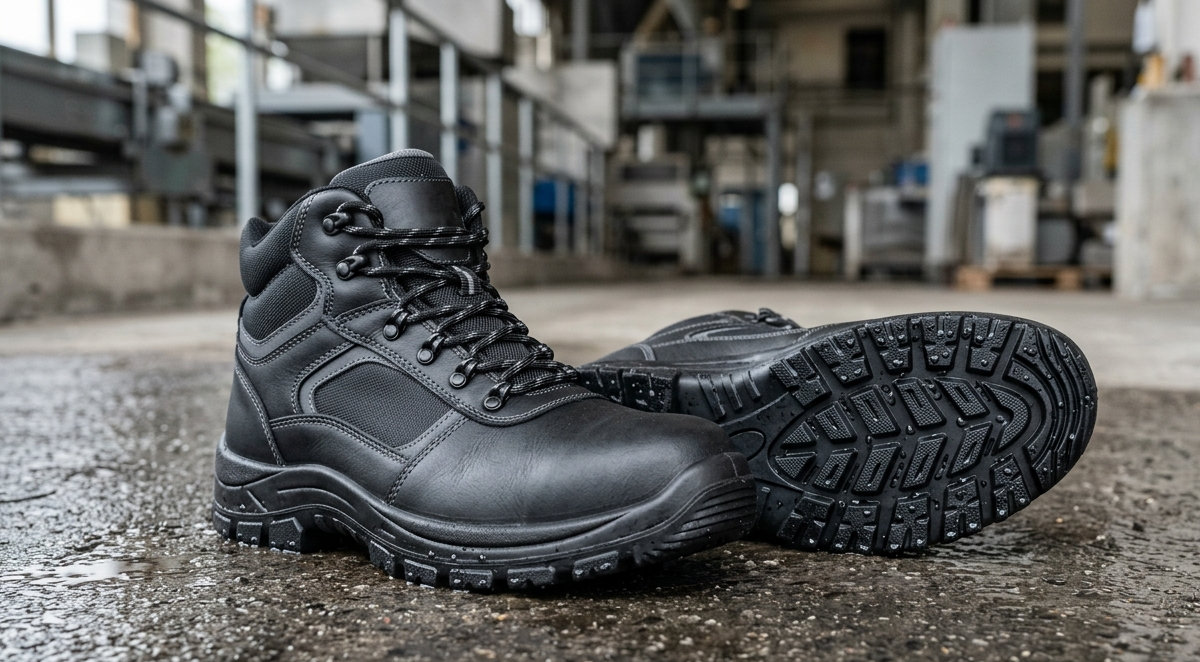
3. Poor Tread Design
Tread pattern plays a crucial role in maintaining grip.
- Shallow patterns → poor water drainage
- Flat designs → reduced traction
- Deep grooves → better grip and stability
A well-designed tread helps prevent slipping by maintaining surface contact.
4. Wet, Oily, or Contaminated Surfaces
Sometimes the issue is not just the shoe, but the environment.
- Oil spills
- Water accumulation
- Grease and chemicals
- Slippery industrial flooring
Environmental conditions are a major factor in why do safety shoes slip on wet surfaces.
5. Lack of Slip-Resistant Certification
Not all safety shoes are truly anti-slip, even if marketed that way.
- Non-certified shoes may fail in real conditions
- Low-quality products lack proper testing
- Slip resistance standards are often ignored
Always choose certified safety shoes for reliable performance.
6. Improper Usage of Safety Shoes
Using the wrong type of safety shoes in the wrong environment can increase risks.
- Using dry-area shoes in wet conditions
- Wearing indoor footwear outdoors
- Ignoring job-specific requirements
This is another overlooked reason why do safety shoes slip on wet surfaces.
Solutions: How to Prevent Slipping in Safety Shoes
Now that you understand why do safety shoes slip on wet surfaces, let’s look at effective solutions.
Using proper anti-slip safety shoes like ARROW, VICTOR DD, SPARK PRO DD, RMS COMFORT, WINTER SHOE can significantly reduce slip accidents on wet floors
1. Choose Anti-Slip Safety Shoes
Always invest in shoes designed for slip resistance.
Look for:
- Anti-slip certified soles
- Oil and chemical resistance
- High-grip technology
These are specifically built for wet and hazardous environments.
2. Select the Right Sole Material
Choosing the correct sole material is critical.
- PU soles → lightweight and flexible
- Rubber soles → best grip on wet surfaces
- PVC soles → suitable for rugged but less slippery areas
👉 Selecting the right material helps reduce the risk of slipping.
3. Check the Tread Pattern
A proper tread design improves traction significantly.
- Deep grooves increase grip
- Multi-directional patterns enhance stability
- Self-cleaning soles prevent debris buildup
Better tread design = better safety.
4. Maintain Your Safety Shoes
Even the best shoes fail without proper maintenance.
- Clean soles regularly
- Remove oil, mud, and dirt
- Inspect for wear and tear
- Replace damaged shoes on time
Maintenance plays a key role in preventing slips.
5. Improve Workplace Safety Conditions
Footwear alone cannot solve the problem.
- Clean spills immediately
- Use anti-slip mats
- Ensure proper drainage
- Maintain clean work surfaces
A safe environment reduces the chances of accidents.
Best Safety Shoes for Wet Surfaces
For industries like marine, construction, and manufacturing, choosing the right shoes is critical.
Recommended Features:
- Anti-slip certified sole
- Oil and chemical resistance
- Waterproof upper
- Shock absorption
- Durable tread pattern
These features directly address why do safety shoes slip on wet surfaces and help prevent accidents.
Common Mistakes to Avoid
When selecting safety shoes, avoid these common mistakes:
- Buying cheap, low-quality footwear
- Ignoring slip resistance certification
- Not checking sole material
- Choosing style over safety
- Using one type of shoe for all environments
These mistakes increase the risk of slipping and workplace injuries.
Explore more expert guides on choosing the right safety footwear:
Conclusion
So, why do safety shoes slip on wet surfaces? The answer lies in worn-out soles, incorrect materials, poor tread design, and unsafe working conditions.
Understanding why do safety shoes slip on wet surfaces helps you make better decisions when selecting safety footwear.
The solution is simple:
👉 Choose the right anti-slip safety shoes
👉 Maintain them regularly
👉 Ensure a safe working environment
Investing in the right footwear is not just about comfort—it’s about safety, performance, and long-term reliability.
Buy High-Quality Safety Shoes in India (Bulk Supply Available)
If you are looking for reliable suppliers of anti-slip safety shoes, PU sole safety shoes, or PVC sole safety shoes, choosing the right partner is essential for safety and long-term performance.
At Rehann Marine Services, we provide a wide range of industrial and marine safety footwear designed for durability, comfort, and maximum protection in demanding environments.
🔹 Our Product Range Includes:
- PU sole safety shoes for comfort and flexibility
- PVC sole safety shoes for heavy-duty use
- Anti-slip safety shoes for wet and oily surfaces
- Industrial and marine-grade safety footwear
🔹 Why Choose Us:
- High-quality materials with strong durability
- Bulk supply at competitive pricing
- Fast and reliable delivery across India
- Trusted supplier for marine and industrial sectors
Whether you need safety shoes for construction, manufacturing, or marine use, we have the right solution for your requirements.
🔗 Connect With Us
- Visit our profile on IndiaMART
- Connect with us on Go4WorldBusiness